
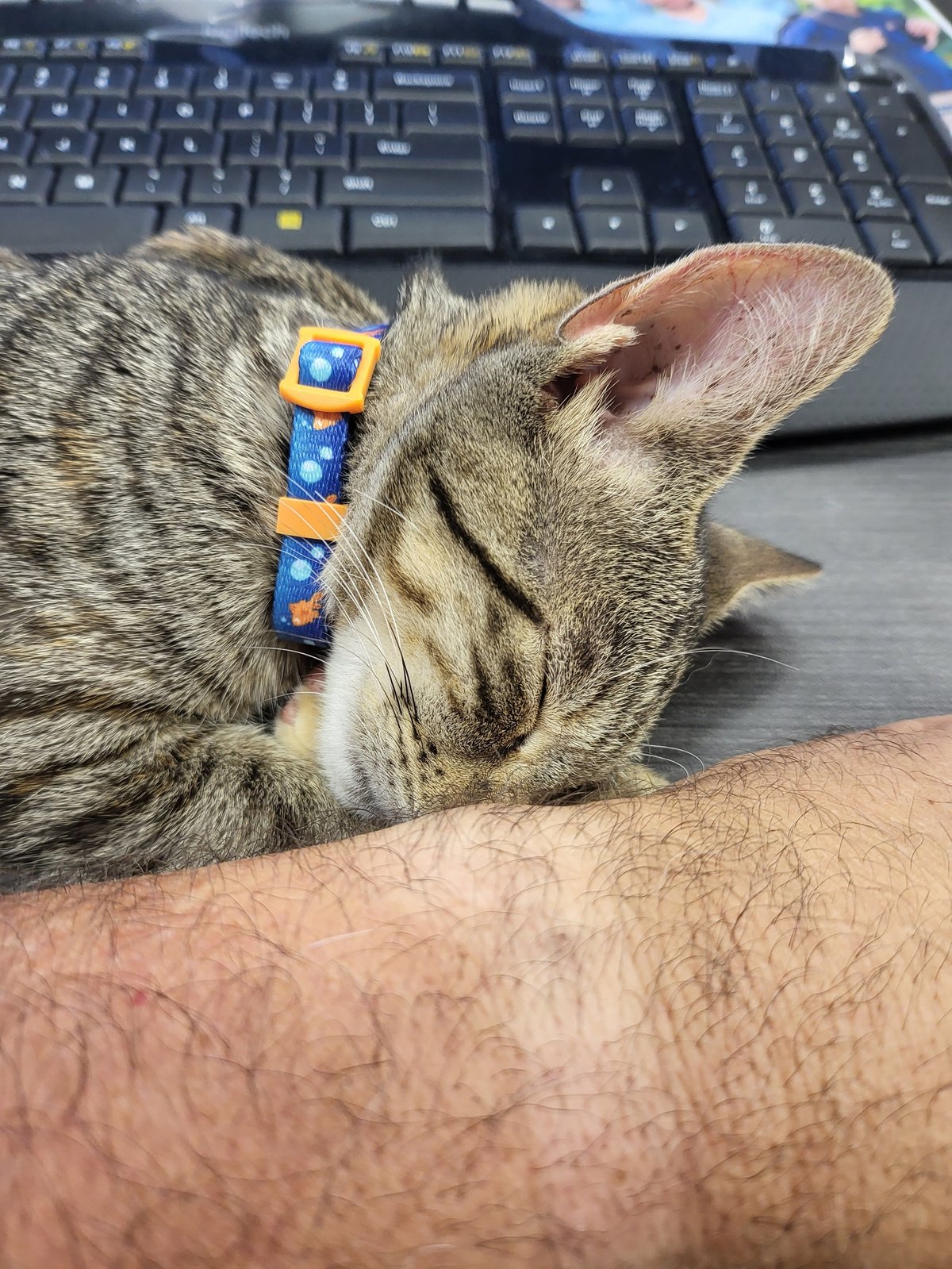
Pasha was a house pet long before rescue was a mission. She was Maritza's beloved cat, and she was family.
Every day, Pasha enjoyed the backyard and garden. If she wandered a little too far, Maritza called her name and Pasha came running back. Then, after the yard had been heavily pruned, Pasha went outside like she had countless times before, and she disappeared.
Maritza searched day after day. She went door to door, posted on local social media, handed out flyers, and hung large banners around the neighborhood. Pasha never came home.
There is one detail in Pasha's story that still stays with us: Pasha was never microchipped. That made finding her even harder. It's why, today, Finding Pasha microchips rescued cats in our care whenever possible.
If you love a cat, this is the one small step we hope you'll take this week.
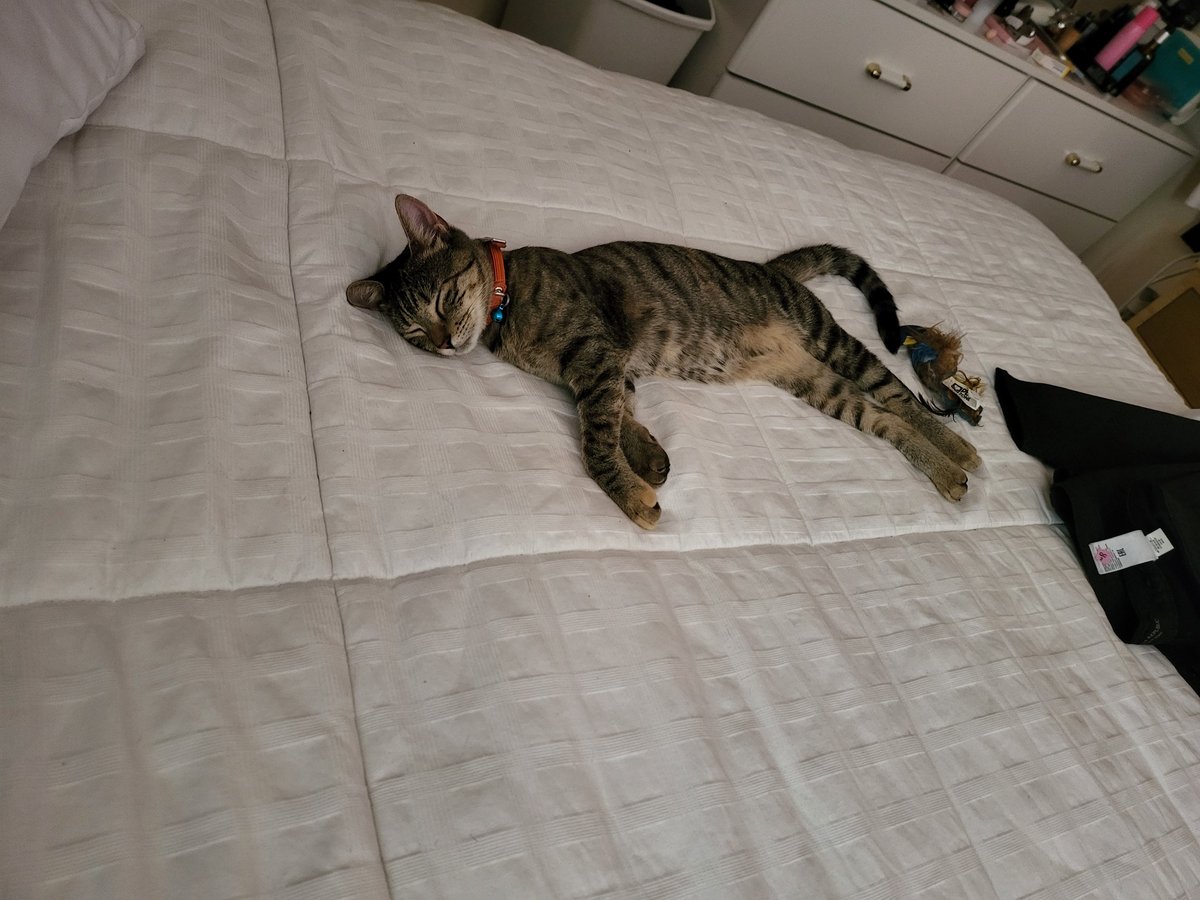
What a Microchip Is (and What It Isn't)
According to the American Veterinary Medical Association (AVMA), a pet microchip is a tiny device about the size of a large grain of rice. A veterinarian implants it just under the skin, usually between the shoulder blades. Most pets feel only brief discomfort, similar to a routine vaccination.
A few things are important to understand:
- It's permanent ID. Unlike a collar or tag, a microchip can't fall off or be removed by accident.
- It holds only a number. The chip stores a unique ID number. When a shelter, rescue, or vet clinic scans it, that number is used to look up the owner in a registry.
- It is not a GPS tracker. A microchip has no power source of its own and stays inactive until a scanner is passed over it. It can't show you where your cat is. It helps whoever finds your cat get them back to you.
A Chip Only Works if It's Registered
This is the part many people miss. The AVMA is clear that a microchip is only as effective as the information linked to it. If the chip was never registered, or your phone number or address has changed since, a lost cat may not make it home even after being scanned.
So if your cat already has a chip, take five minutes to:
- Find the chip number. Check your adoption or vet records. If you can't find it, ask your veterinarian to scan your cat.
- Find the registry. If you know the number but not the registry, the AVMA points owners to the American Animal Hospital Association's Microchip Registry Lookup Tool, or your vet can help.
- Update your contact info. Make sure your current phone number and email are on file.
- Ask for a scan at checkups. The AVMA recommends having your vet confirm the chip is present and working during routine visits.
A Few More Ways to Help a Cat Get Home
- Collar and ID tag too. The AVMA suggests microchipped pets also wear a collar with current identification. A tag can help a neighbor call you right away, without a scanner.
- Keep clear, recent photos. If your cat ever goes missing, good photos make flyers and posts far more useful. Maritza's search showed us how much depends on getting the word out fast.
- Watch closely when things change. Pasha disappeared after her familiar yard was suddenly changed. Moves, renovations, yard work, storms, and visitors can all leave a cat confused or frightened. Those are the days to keep a closer eye on them.
Pets Are Family, for Life
At Finding Pasha, we believe a cat is family for their whole life, not just for the easy years. Part of that lifelong promise is planning for the unexpected: an open door, a slipped collar, a frightened run. A microchip with up-to-date registration is one of the simplest ways to keep that promise.
We can't change what happened to Pasha. But her story can help another cat find their way home. If you haven't read it yet, start with How Finding Pasha Was Born or The Pasha Story.
Help Us Keep the Promise This Give Miami Day
Pasha's loss became a mission to care for cats who have no one else. Finding Pasha is an independent 501(c)(3) cat rescue, and our work is funded by people like you.
Give Miami Day is Thursday, November 19, and it's one day only. Our goal is $4,500 for the cats in our care.
Early Giving is open now, so you can give today through midnight on November 19.
Donate to Finding Pasha on Give Miami Day
Can't give right now? Sharing this article or our Give Miami Day page helps too. You can also learn more about supporting us on our Donate page or see answers to common questions in our FAQ.
Questions? Reach us at info@findingpasha.com or through our Contact page.
This article is general information, not veterinary advice. Talk with your veterinarian about microchipping and your cat's health.